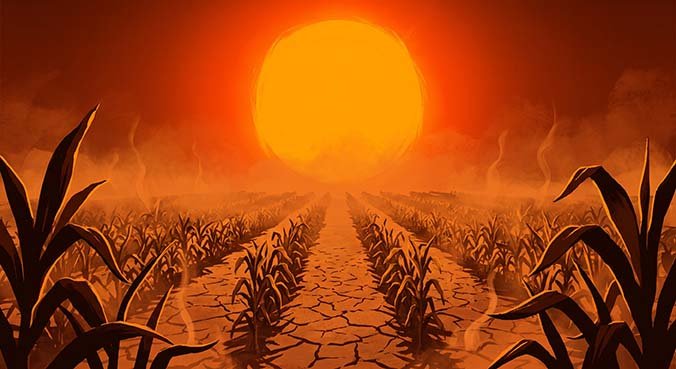
On July 19, 2022, Carlos Vargas Moreno went to work pulling weeds in a North Carolina field. It was brutally hot, and by that afternoon, the heat index was approaching 103 degrees. Moreno had been performing physical labor outside for...
Read More
Something very interesting just happened in North Carolina. Unless you spend your days following insurance legislation, liability trends, or the increasingly complicated economics behind American lawsuits, there's a pretty good chance you didn't hear much about it. You probably will....
Read More
Let's start with a little quiz. An employee strains his back lifting a heavy box on Tuesday morning. He feels a quick twinge, rubs his lower back, and decides he'll be fine. By Wednesday he's moving a little slower, but...
Read More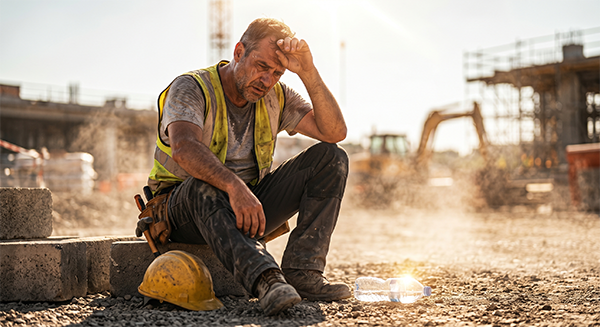
For years, heat illness was treated like a seasonal issue. Most employers viewed it as something temporary that only affected roofers, road crews, landscapers, and construction workers spending long days outside in the middle of summer. It was considered uncomfortable,...
Read More
If you look at most workers’ comp reports, claims are tracked, costs are documented, and trends are monitored over time. From a leadership perspective, there’s a clear sense of what’s happening. But that view depends entirely on what’s being measured....
Read More
If you ask most employers what their biggest challenge is right now, the answer usually comes quickly: finding people, keeping them, and paying enough to make them stay. Across industries, hiring has become more competitive, more expensive, and more unpredictable...
Read MoreMost workplace injuries don’t start with a fall, a machine, or a lifting motion. They start with a human being who is distracted, exhausted, anxious, or overwhelmed. Across industries, employers are seeing a steady rise in incidents where the root...
Read More
Federal OSHA enforcement and compliance guidance have always been central to employer risk management. But as we move deeper into 2026, the agency’s behavior itself, not just the rules on the books, is offering critical clues about where inspections, citations,...
Read More
Workers’ compensation has always been about people, but the “human factor” is taking center stage in a way we haven’t seen before. Employers tend to think of injuries as mechanical problems, slips, trips, machinery, equipment, ergonomics. But the forces driving...
Read More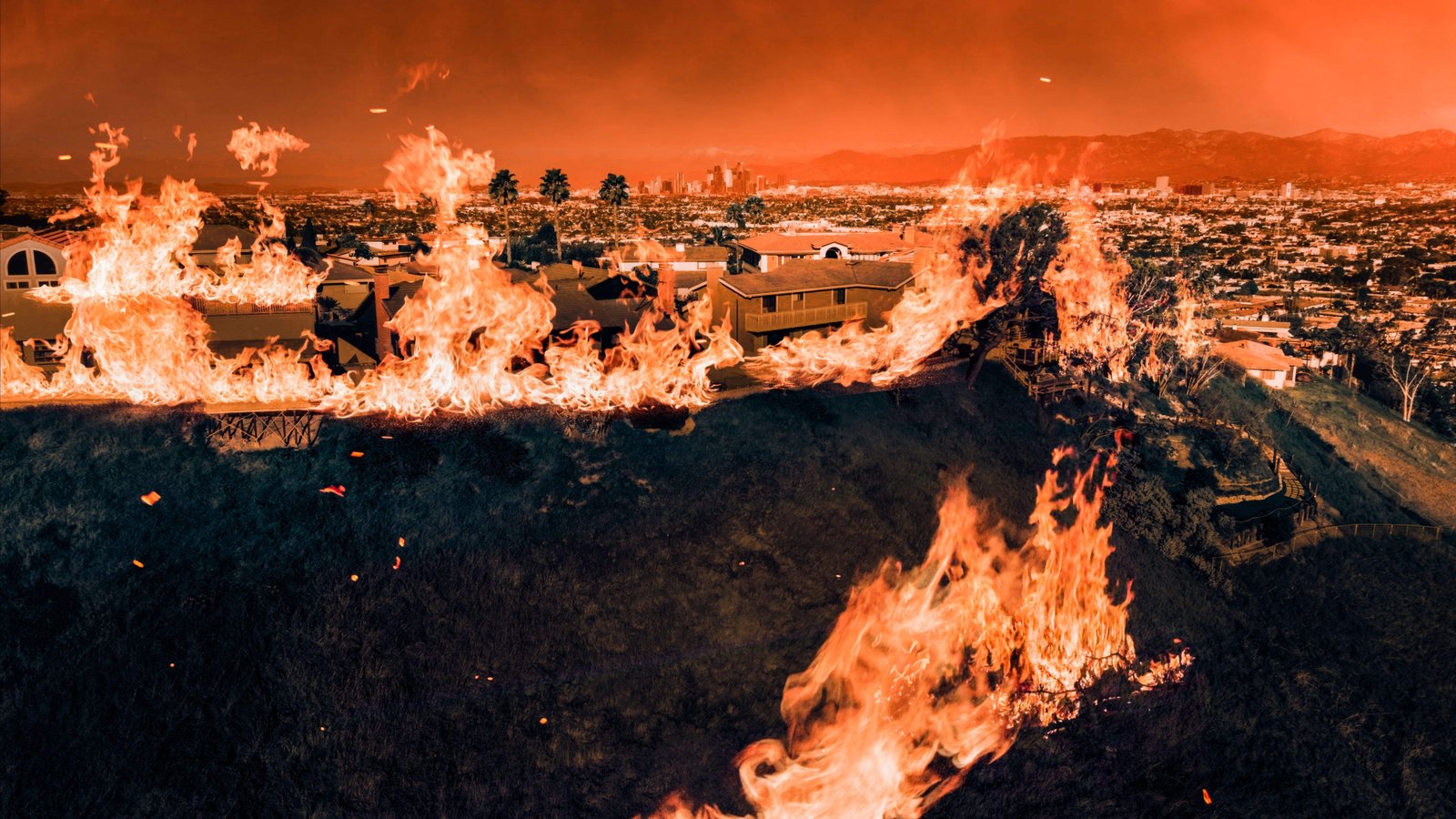
Major workplace crises, whether natural disasters or acts of violence, always leave behind more than physical damage. They reveal gaps in preparedness, expose weaknesses in response systems, and place lasting burdens on the affected workers. Two recent events, the Los...
Read More